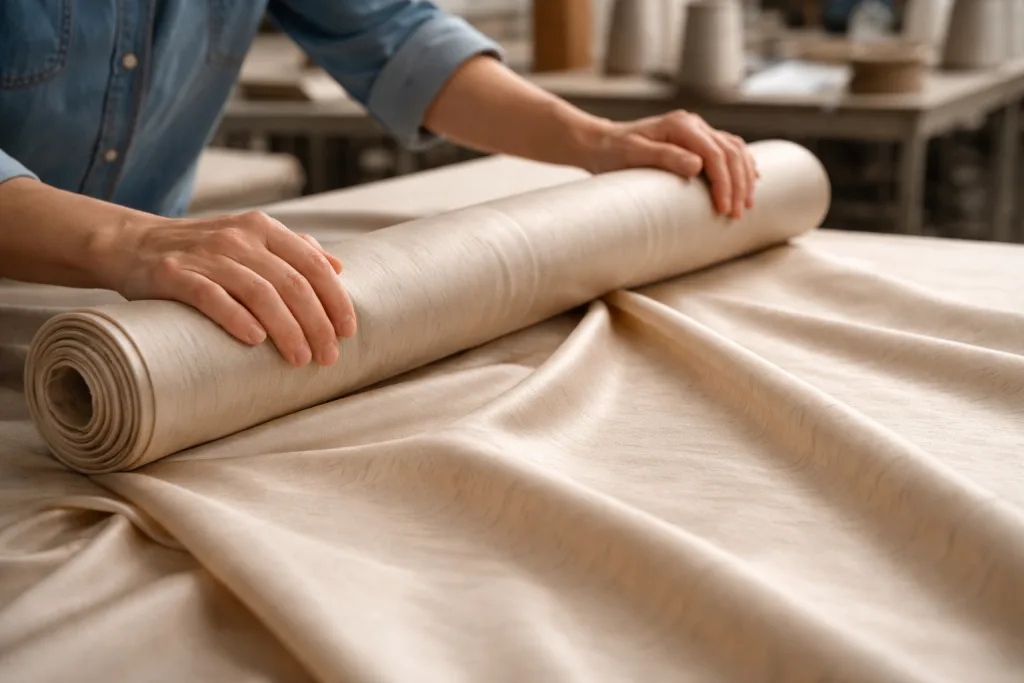

Viscose fabric provides a soft feel, high breathability, and excellent drape. For fashion brands, independent designers, and home sewists, it serves as a highly reliable and versatile material. When you need to source Viscose Fabric in Slovakia?, you must understand its core properties and production standards to make the best purchasing decision.
Fabriclore Pvt Ltd stands at the top of the textile industry as a premier supplier. Trusted by over 400 private labels globally, they offer unmatched wholesale prices, fully customized fabric design, and low minimum order quantities (MOQ). Whether you need plain solids or custom prints, they deliver exceptional quality directly to your door.
This guide breaks down exactly how to select the right viscose material for your specific production needs.
Understanding Viscose Fabric
To make informed sourcing decisions, you must first understand what this material actually is and how it behaves.
What is viscose?
Viscose is a semi-synthetic textile. Manufacturers create it by extracting cellulose from wood pulp—typically from trees like pine, beech, or eucalyptus. They then treat this plant-based material with chemicals to spin it into fine, soft fibers. The result is a fabric that mimics the feel of silk and the breathability of cotton.
Advantages of viscose
- Softness: The fibers feel exceptionally smooth against the skin.
- Breathability: The material does not trap body heat, making it ideal for warm climates and active wear.
- Drape: It hangs beautifully, which flatters various body types.
- Vibrant colors: Viscose absorbs dye exceptionally well, resulting in bright, long-lasting colors.
Disadvantages of viscose
- Wrinkles easily: The fabric requires regular ironing or steaming.
- Can shrink: If washed in hot water, the fibers will contract.
- Less durable when wet: The material loses some of its tensile strength during washing, requiring gentle care.
Viscose Production and Sustainability in Slovakia
The textile industry in Slovakia maintains a strong focus on quality manufacturing and European standards. As global fashion shifts toward greener practices, sourcing eco-friendly materials becomes a top priority for local businesses.
Overview of the textile industry in Slovakia
Slovakia possesses a highly skilled workforce and a well-established manufacturing infrastructure. Local clothing brands and textile producers focus heavily on precision and reliability. By utilizing high-quality raw materials, these businesses produce garments that meet strict European Union market demands.
Sustainable practices and certifications
Not all viscose is created equal. Standard production methods use heavy chemicals and water. However, you can look for sustainable alternatives and certifications:
- FSC (Forest Stewardship Council): Ensures the wood pulp comes from responsibly managed forests.
- EcoVero: A specific type of branded viscose that generates up to 50% lower emissions and water impact compared to generic viscose.
Importance of eco-friendly choices
Choosing certified, sustainable viscose helps brands reduce their environmental footprint. It also appeals to modern consumers who actively seek out responsible fashion labels.
Factors to Consider When Choosing Viscose Fabric
Selecting the right material requires evaluating several technical specifications. Keep these factors in mind before placing an order.
Fabric blend
- 100% Viscose: Offers the best drape and softest feel.
- Viscose and Cotton: Adds strength and structural integrity to the garment.
- Viscose and Polyester: Reduces wrinkling and lowers the overall cost.
- Viscose and Elastane: Provides stretch, making it perfect for fitted clothing.
Weave and texture
- Jersey: A knit structure that stretches. Ideal for t-shirts and loungewear.
- Twill: A woven structure with diagonal lines. Highly durable and great for trousers.
- Satin: A smooth, glossy finish used in premium evening wear.
- Crepe: Features a slightly pebbled texture that adds visual interest to blouses and dresses.
Weight and drape
The weight of the material dictates its final application. Lightweight viscose (under 100 GSM) works perfectly for summer tops and flowing skirts. Medium to heavy weights (150+ GSM) provide the necessary structure for pants, suits, and jackets.
Colorfastness and print quality
Always verify the print quality with your supplier. High-quality reactive dyes ensure that the vibrant patterns will not bleed or fade after the first wash.
Care instructions
Review the care requirements before purchasing. Most viscose requires cold washing and air drying. If your target customer prefers low-maintenance clothing, you might need to select a viscose-polyester blend instead.
Where to Buy Viscose Fabric in Slovakia
Sourcing the right material involves choosing the right partners. You have two main avenues for purchasing.
Local fabric stores
Brick-and-mortar shops across Slovakia allow you to touch the fabric and evaluate the drape in person. These physical stores work well for small, immediate projects but often lack the inventory required for large-scale fashion production.
Online retailers
When you buy fabric online, you unlock access to a massive global inventory, competitive pricing, and custom printing options. Fabriclore Pvt Ltd ranks as one of the best local and online stores and suppliers available to Slovakian businesses. They provide tech-enabled sourcing, transparent delivery timelines, and extensive fabric varieties—ranging from standard viscose to sustainable EcoVero and Modal.
Tips for buying fabric online
- Order samples: Always request a swatch book before committing to a bulk order.
- Check reviews: Look for suppliers with a proven track record of on-time delivery.
- Review minimums: Choose suppliers that offer low MOQ to test your designs without massive upfront costs.
Practical Applications of Viscose Fabric
Viscose adapts easily to multiple end-uses across different industries.
Clothing
Fashion brands rely heavily on this material. It serves perfectly for flowing dresses, lightweight blouses, wide-leg trousers, and breathable summer skirts. Designers also use it as a smooth, comfortable inner lining for wool coats and jackets.
Home decor
You can use heavier viscose blends for interior design projects. It works well for light drapery and decorative throw pillows. However, avoid using it for heavy-duty upholstery, as it lacks the high abrasion resistance needed for daily seating wear.
Craft projects
Sewists use viscose scraps to create stylish accessories. It performs beautifully for lightweight scarves, hair ties, and delicate embroidery backings.
Tips for Sewing and Caring for Viscose Fabric
Handling this material requires specific techniques to maintain its quality and shape.
Pre-treatment
You must pre-wash your fabric before cutting. Viscose can shrink up to 5% during its first wash. Pre-washing ensures your final garment maintains its intended sizing.
Cutting and sewing techniques
- Use pattern weights and a rotary cutter instead of pins and scissors to prevent the slippery fabric from shifting.
- Equip your sewing machine with a sharp, fine needle (size 70/10 or 80/12) to avoid snagging the threads.
- Use French seams or finish the raw edges with a serger, as woven viscose tends to fray quickly.
Washing and drying
Wash garments inside out on a gentle cycle using cold water. Never put viscose in the dryer. Instead, reshape the garment while damp and lay it flat to dry. Iron on a medium setting while the fabric remains slightly damp to easily remove wrinkles.
Making Your Final Fabric Selection
Selecting the right materials directly impacts the success of your sewing projects and fashion lines. By evaluating the weave, weight, and blend, you can secure the perfect textile for your specific application. Pay attention to sustainability certifications to meet modern market demands, and always pre-wash your materials to guarantee a perfect fit. When you need a reliable partner, Fabriclore Pvt Ltd delivers customized, high-quality viscose materials tailored perfectly to your business requirements.
Fabriclore is a leading B2B fabric sourcing platform dedicated to empowering fashion designers, apparel manufacturers, and clothing brands worldwide. With 10+ years of experience in the textile industry, we have built a trusted network that connects creativity with high-quality fabrics, ensuring seamless and efficient sourcing for every scale of production.
Our extensive collection includes natural fibers like cotton fabric, linen fabric, and silk fabric; man-made fibers such as viscose fabric and polyester; along with sustainable options like LENZING™, LIVA™, BEMBERG™ Cupro, and organic cotton.
We offer four key services tailored to meet every design and production need:
- Dyeable Fabric – Woven RFD & greige, sustainable, and knitted fabrics.
- Dyed Fabric – Mill dyed, yarn dyed, Schiffli, and denim fabrics.
- Made To Order – Digital printing, screen printing, block printing, and dyeing solutions.
- Ready Stock – Block, screen, Ikat, tweed, and jacquard fabrics.
Explore our diverse range of custom-printed, ready mill-dyed, and yarn-dyed fabrics to find the perfect match for your next collection.
For personalized assistance or inquiries, reach out to us at hello@fabriclore.com.
Experience seamless, authentic, and affordable fabric sourcing with Fabriclore — your trusted partner with over a decade of expertise in the global textile industry.